
Quick Rating
Independent Rating By Pixel Reviews
- Phones now shipping with 8,000mAh batteries: OnePlus Nord CE 6, Xiaomi 17 Max, Realme 16T
- What 8,000mAh actually means for your day: More than most buyers expect — but with trade-offs
- The honest caveat: A large battery alone does not make a phone last two days — software efficiency and chipset TDP matter just as much
- Bottom line: An 8,000mAh Phone Battery is worth buying for the right person — and actively wrong for others
Six months ago, a phone with an 8,000mAh battery was a novelty.
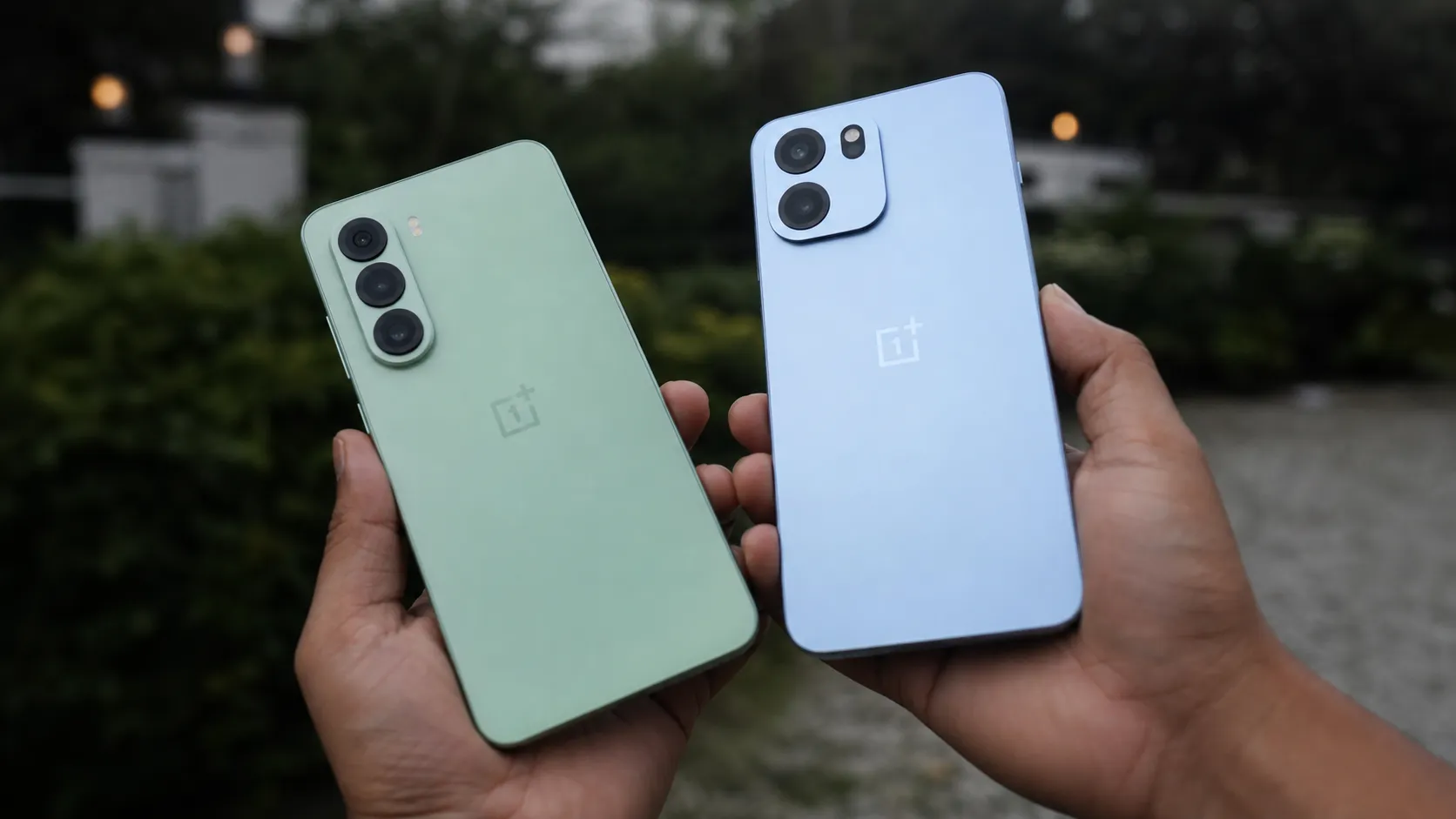
According to Analytics Insight’s May 2026 smartphone launches overview, battery life and endurance are leaping forward as devices like the OnePlus Nord CE 6 with 8,000mAh redefine multi-day usage expectations.
Today, three phones shipping right now carry 8,000mAh cells, with more arriving before the end of Q2. According to GSMArena’s latest phone news, the Xiaomi 17 Max adds a larger 8,000mAh silicon-carbon battery alongside a 200MP main camera. The Realme 16T combines a massive 8,000mAh battery with a reasonably-specced base at an affordable price.
If you are shopping for a phone in 2026 and battery life is anywhere in your top three priorities, this guide is for you. Here are five things that matter far more than the headline number.
1. The Number Is Only Half the Story — Chipset Efficiency Decides the Rest
An 8,000mAh battery in a phone running an inefficient chipset will not outperform a 5,000mAh battery in a phone running a well-optimised chip. This is the most important thing most buyers never check.
The formula that actually matters is: battery capacity ÷ average chipset power draw = screen-on time. The Snapdragon 7s Gen 4 — the chip inside the OnePlus Nord CE 6 — is built on a 4nm process node, which means it draws significantly less power at idle and during standard tasks than older 6nm or 7nm chips.
According to Gizmochina’s confirmed Nord CE 6 specs, the Nord CE 6 also features a 1.5K resolution display with a 144Hz refresh rate and a peak brightness of 1800 nits. A 144Hz display running at full refresh rate at peak brightness is one of the fastest ways to drain any battery. Most 8,000mAh phones include adaptive refresh rate — confirm this is enabled or your battery gains will be cut significantly.
What to check before buying: Confirm the chipset process node (4nm or better in 2026), confirm the display has adaptive refresh rate, and check whether the manufacturer has published real-world battery estimates — not just capacity specs.
2. What 8,000mAh Actually Translates to in Real Screen-On Time
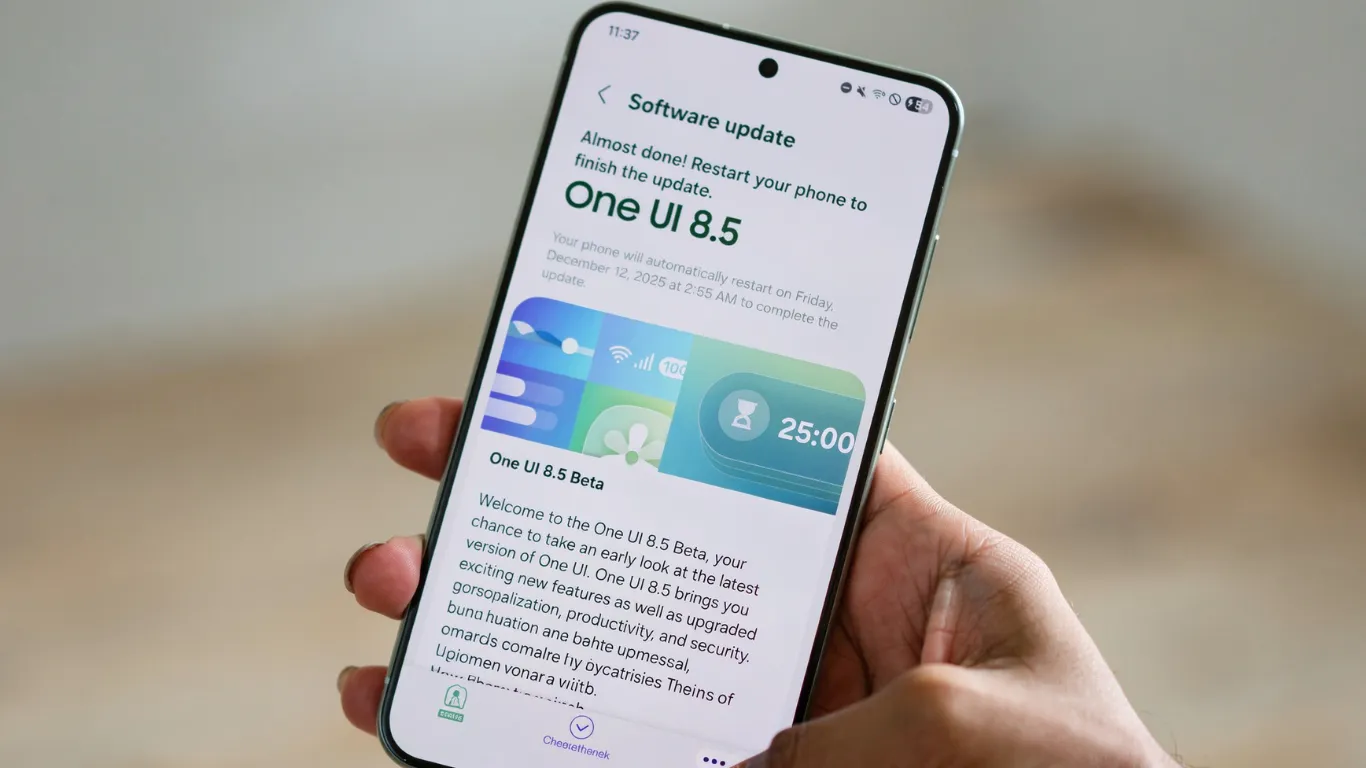
According to Analytics Insight, top battery performers in 2026 include the OnePlus 15 with over 33 hours of usage, and the OnePlus Nord CE 6 among other high-capacity options.
The honest translation for an 8,000mAh phone on a mid-range chipset with typical mixed usage — social media, messaging, some video, some camera — is 16 to 22 hours of screen-on time. That is a genuine two-day phone for most users who charge overnight.
For heavy users — mobile gaming, 4K video recording, GPS navigation — expect the lower end of that range. Gaming at high settings can pull 8 to 12W from a battery continuously. At that draw rate, even 8,000mAh is a finite resource.
According to Gizmochina, the OnePlus Nord CE 6 promises over two days of battery life on normal usage. Pixel Reviews will publish tested screen-on time figures when we have hands-on access. Until then, manufacturer claims should be treated as optimistic targets, not guarantees.
3. Charging Speed Is the Hidden Trade-Off Nobody Warns You About
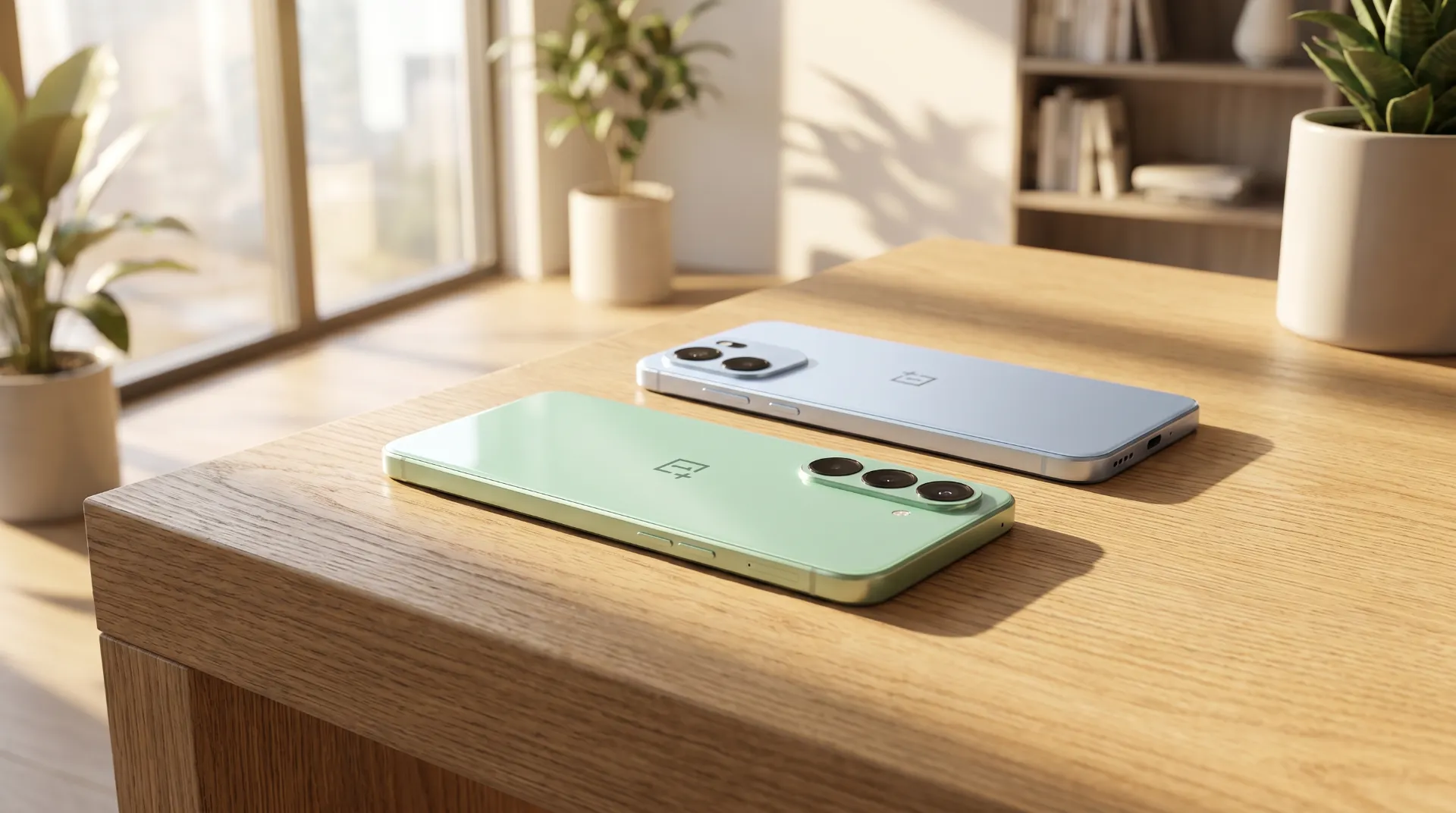
Here is what the big number on the box does not tell you: larger batteries generally charge more slowly at equivalent wattage.
A 5,000mAh battery at 100W wired charging goes from 0 to 100% in approximately 25 to 30 minutes on optimised hardware. An 8,000mAh battery at the same 100W takes closer to 50 to 60 minutes. That is not a flaw — it is physics. But it changes how you think about topping up during the day.
According to Deccan Herald’s May 2026 launch coverage, OnePlus has not confirmed the wired charging speed for the Nord CE 6 at time of publication. Pixel Reviews will not speculate on unconfirmed wattage figures. Check this specification before purchasing — a phone this size without fast charging becomes an overnight-only device.
What to check: Wired charging wattage, whether a charger is included in the box (many brands no longer include one), and whether wireless charging is supported — most budget 8,000mAh phones skip wireless charging to keep costs down.
4. Physical Size — An 8,000mAh Battery Has to Live Somewhere
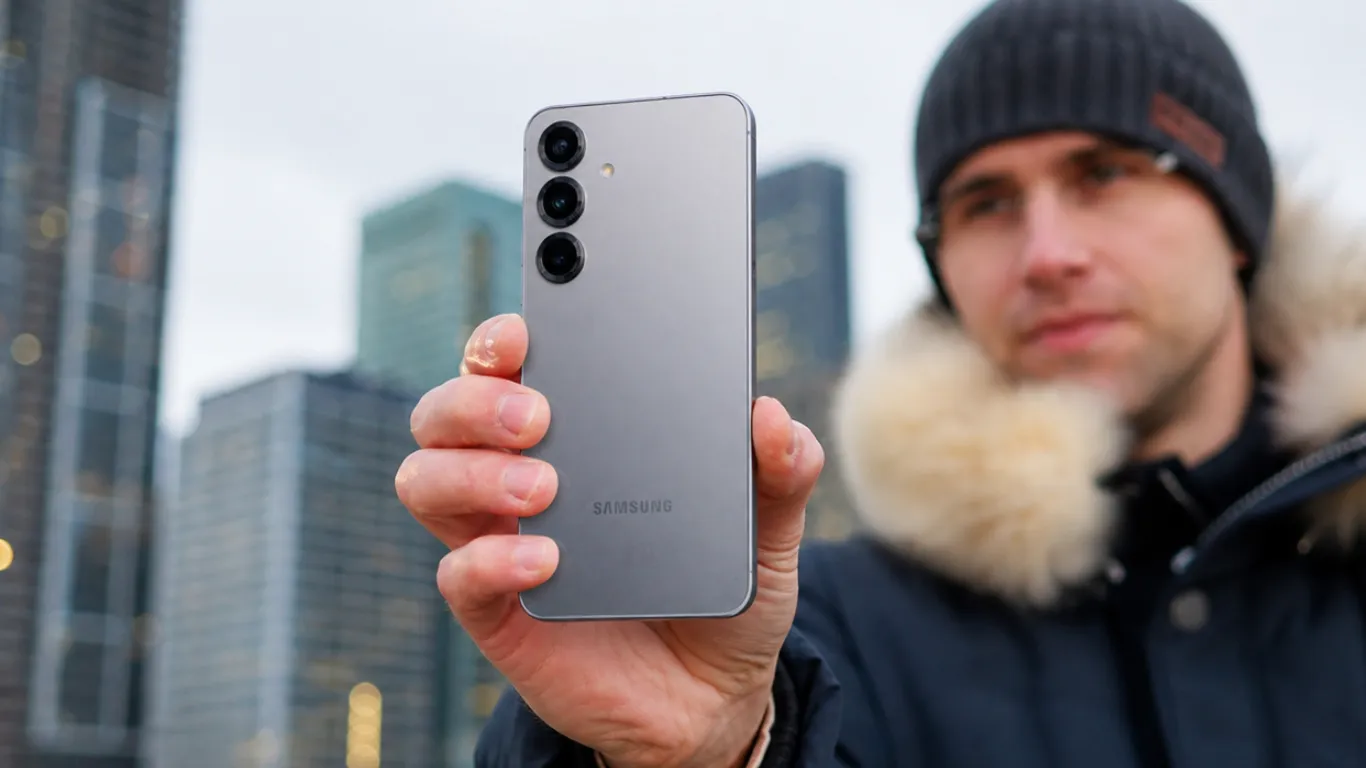
Battery cells take up space. An 8,000mAh phone will be heavier and thicker than a comparable 5,000mAh device.
The current benchmark: most 8,000mAh phones in 2026 land between 210g and 240g and carry bodies 8.2mm to 9.4mm thick. That is not unusably large — but if you have smaller hands or prefer one-handed use, this class of device will feel different from a 170g flagship.
According to Gizmochina, the OnePlus Nord CE 6 features a dual-camera setup led by a 50MP main camera with dual-axis OIS. OnePlus has not published official weight or thickness measurements for the global variant at time of writing. Pixel Reviews will update this guide when official physical dimensions are confirmed.
If you frequently carry your phone in a jacket pocket or dress pocket rather than a bag, handle an 8,000mAh phone in-store before committing.
5. Not Every 8,000mAh Phone Is Worth Buying — Here Is How to Filter Them
The 8,000mAh spec is becoming a marketing bullet point. Some manufacturers are putting massive batteries into phones with poor displays, weak chipsets, or mediocre cameras — and charging mid-range prices for what is essentially a power bank with a screen attached.
The checklist that matters alongside the battery size:
- Chipset process node: 4nm or better in 2026 — older nodes waste energy and generate heat
- Display type: AMOLED is significantly more efficient than IPS LCD at equivalent brightness
- Adaptive refresh rate: Confirmed, not just listed — some budget phones list “up to 144Hz” but cap it in practice
- Software update commitment: A two-day battery phone you keep for three years needs software support to stay secure
- Charging wattage included: Confirm whether a charger is in the box and at what wattage
According to Digitimes’ May 2026 smartphone market analysis, smartphone prices are expected to rise around 7 percent globally due to higher component costs, especially memory and storage driven by increasing demand from AI data centers. In a market where everything costs more, a large battery in a poorly-specced phone is not a bargain — it is a false economy.
The Best 8,000mAh Phones Worth Considering Right Now
| Phone | Battery | Chipset | Starting Price |
|---|---|---|---|
| OnePlus Nord CE 6 | 8,000mAh | Snapdragon 7s Gen 4 | ~$280 equivalent (India launch — US price TBC) |
| Xiaomi 17 Max | 8,000mAh Si-C | Snapdragon 8 Elite | Premium flagship tier |
| Realme 16T | 8,000mAh | Mid-range — confirm before buying | ~$270 equivalent |
US pricing for all three phones is not officially confirmed at time of publication. Pixel Reviews will update this table when US availability is announced.

Who Should Buy an 8,000mAh Phone
Buy an 8,000mAh phone if you are a heavy user who cannot always charge during the day, if you travel frequently, if you rely on GPS or mobile data continuously, or if you are simply tired of watching the battery percentage and want to stop thinking about it entirely.
For the right buyer, a genuine two-day phone changes daily life in a way that a spec list cannot fully capture.
Who Should Avoid an 8,000mAh Phone
Skip this battery class if you primarily use your phone at a desk where charging is always available, if you prioritize a slim and light form factor, or if video quality and camera performance are your primary buying criteria.
According to Stuff.tv’s upcoming phones guide, the OnePlus 15 — which runs the Snapdragon 8 Elite Gen 5 and packs a large battery — is considered the 2026 Android benchmark for flagship users who want both performance and endurance without compromise. If budget is not a constraint, that is the better choice over a budget 8,000mAh device.
Frequently Asked Questions
Does an 8,000mAh battery actually last two full days?
For most users on mixed usage — messaging, social, some video — yes. Heavy users, particularly mobile gamers, should expect 16 to 18 hours of screen-on time rather than a full two days. Software optimisation and chipset efficiency affect this significantly.
Will an 8,000mAh phone charge slower than a 5,000mAh phone?
At the same wattage, yes — a larger cell takes longer to fill. At 100W wired charging, expect 50 to 60 minutes for an 8,000mAh battery versus 25 to 30 minutes for a 5,000mAh cell. Always check whether fast charging is included in the box.
Are 8,000mAh phones heavier and thicker?
Yes — typically 210g to 240g and 8.2mm to 9.4mm thick versus 180g to 200g for standard flagships. Handle one in-store before purchasing if size and weight matter to you.
Which 8,000mAh phone is best for the US market right now?
US availability for the OnePlus Nord CE 6, Xiaomi 17 Max, and Realme 16T is not confirmed at time of publication. Pixel Reviews will publish a dedicated US availability update when these phones reach American retailers.