
If you have been shopping for a new phone lately and felt like everything costs more than it did last year, you are not imagining things. Phone prices are rising in 2026, and the reason has nothing to do with inflation, tariffs, or brands getting greedy. The real cause is something most buyers have never heard of: a memory chip shortage caused by AI data centers.
Here is the short version. The same tiny chips that go inside your phone’s RAM and storage are also used in the massive servers that power ChatGPT, Gemini, and every other AI tool. Those AI companies are paying more for those chips, and phone makers are getting squeezed out.
This article explains exactly what is happening, which phones are hit hardest, and how to spend your money smarter right now.
The Numbers: How Much More Are Phones Costing?
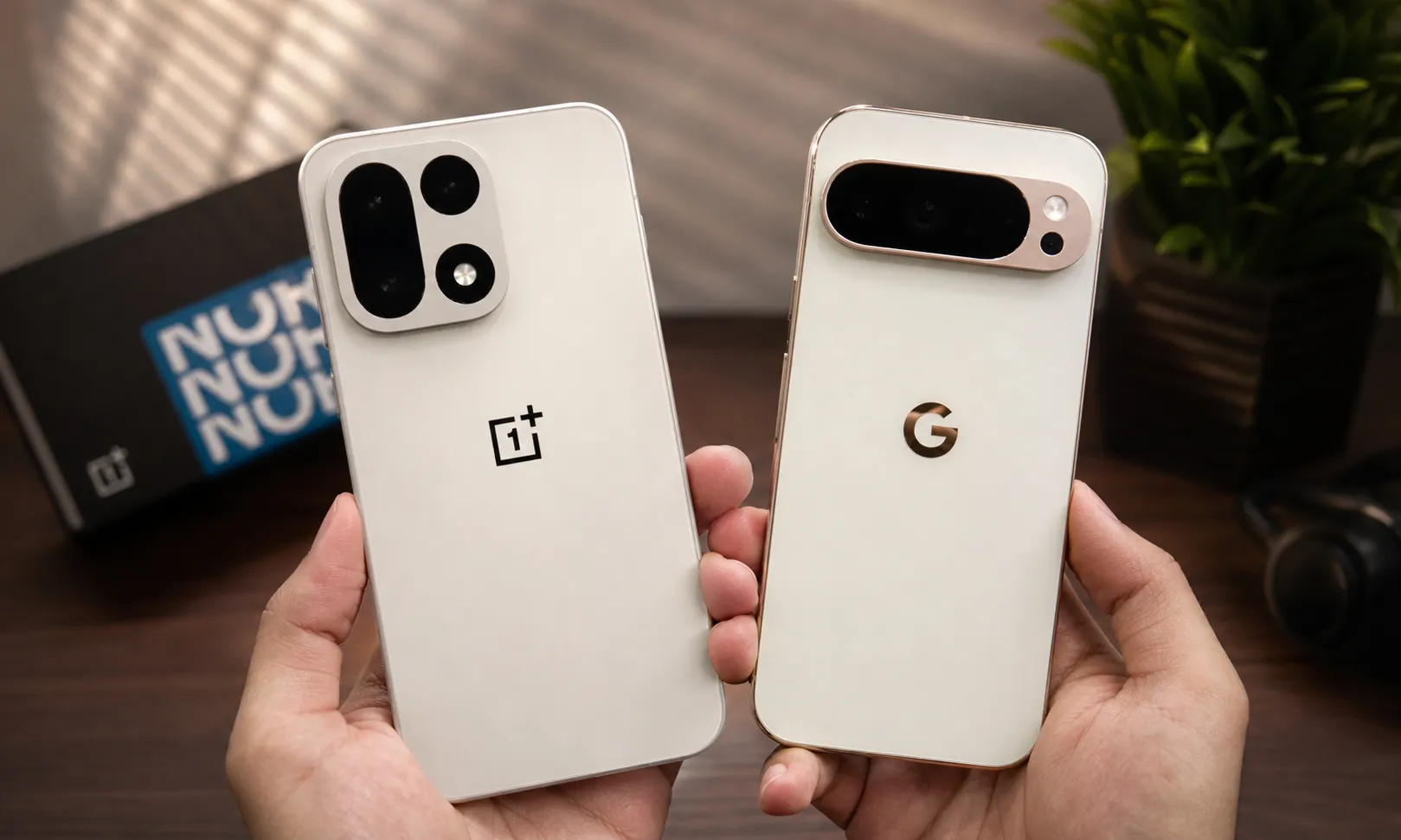
IDC’s memory shortage analysis confirmed the average retail price of a smartphone is expected to rise 14% to a record $523 in 2026.
CNBC’s Counterpoint Research report backed this up, saying the average selling price of smartphones is expected to rise 6.9% overall, fueled by higher memory chip costs.
| Phone Category | 2025 Average Price | 2026 Average Price | Increase |
|---|---|---|---|
| Budget (under $200) | $170 | $200+ | 15 to 25% |
| Mid-range ($300 to $600) | $450 | $500+ | 10 to 15% |
| Flagship ($800+) | $1,000 | $1,050+ | 5 to 8% |
The pattern is clear: the cheaper the phone, the harder it gets hit.
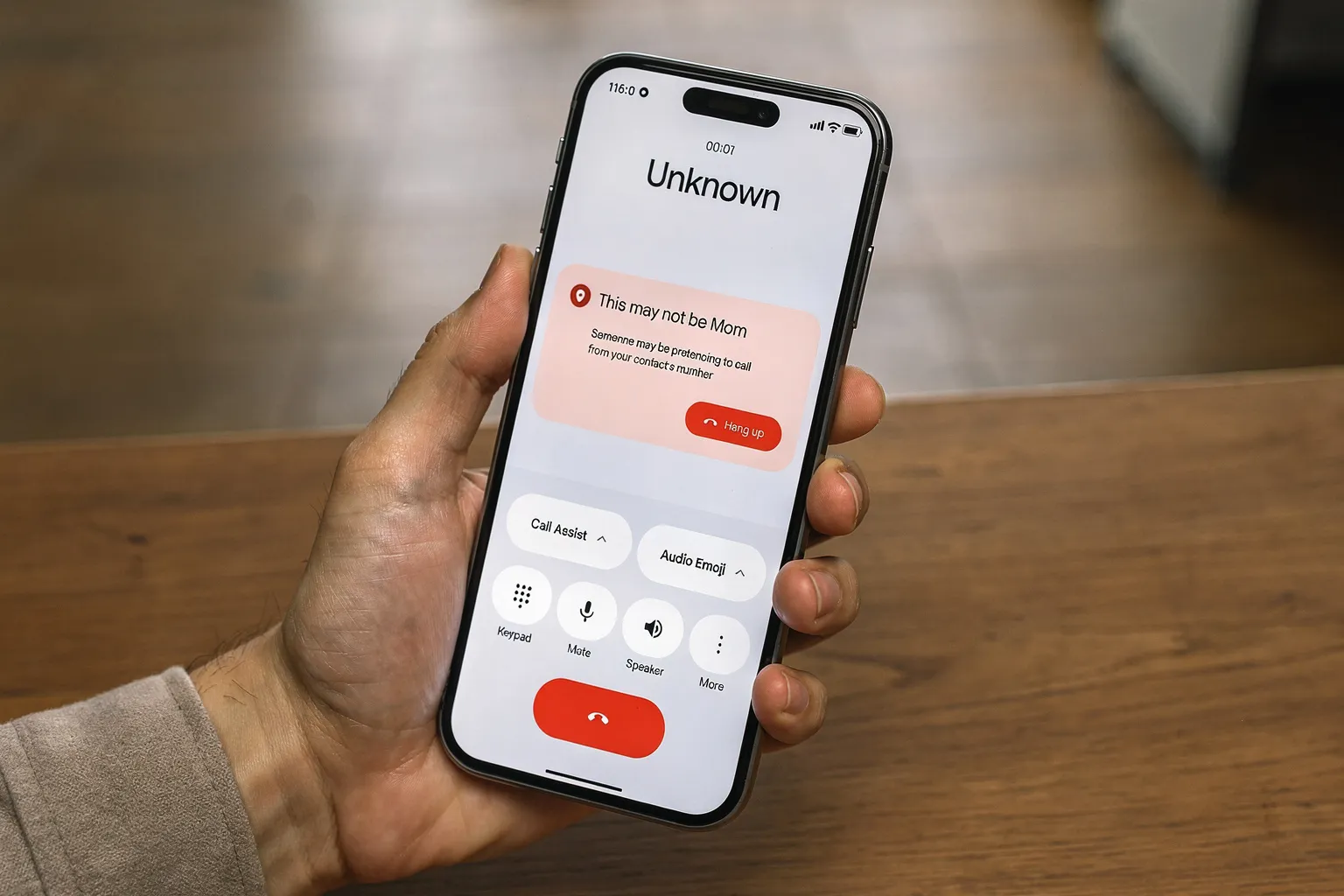
Why Is This Happening? AI Is Eating Your Phone’s RAM
Tech Insider’s memory chip shortage analysis confirmed that data centers are forecast to consume 70% of all memory chips produced worldwide in 2026. As recently as 2022, data centers accounted for about 20 to 30% of global DRAM consumption.
In plain language: the factories that make phone RAM chips are now sending most of their output to AI companies instead. The three biggest memory manufacturers — Samsung Electronics, SK Hynix, and Micron Technology — have been forced to pivot their limited cleanroom space toward higher-margin enterprise-grade components.
DigitBin’s RAM shortage explainer confirmed mobile DRAM prices have risen close to 70% since early 2025. NAND flash, which handles storage, has nearly doubled in the same window.
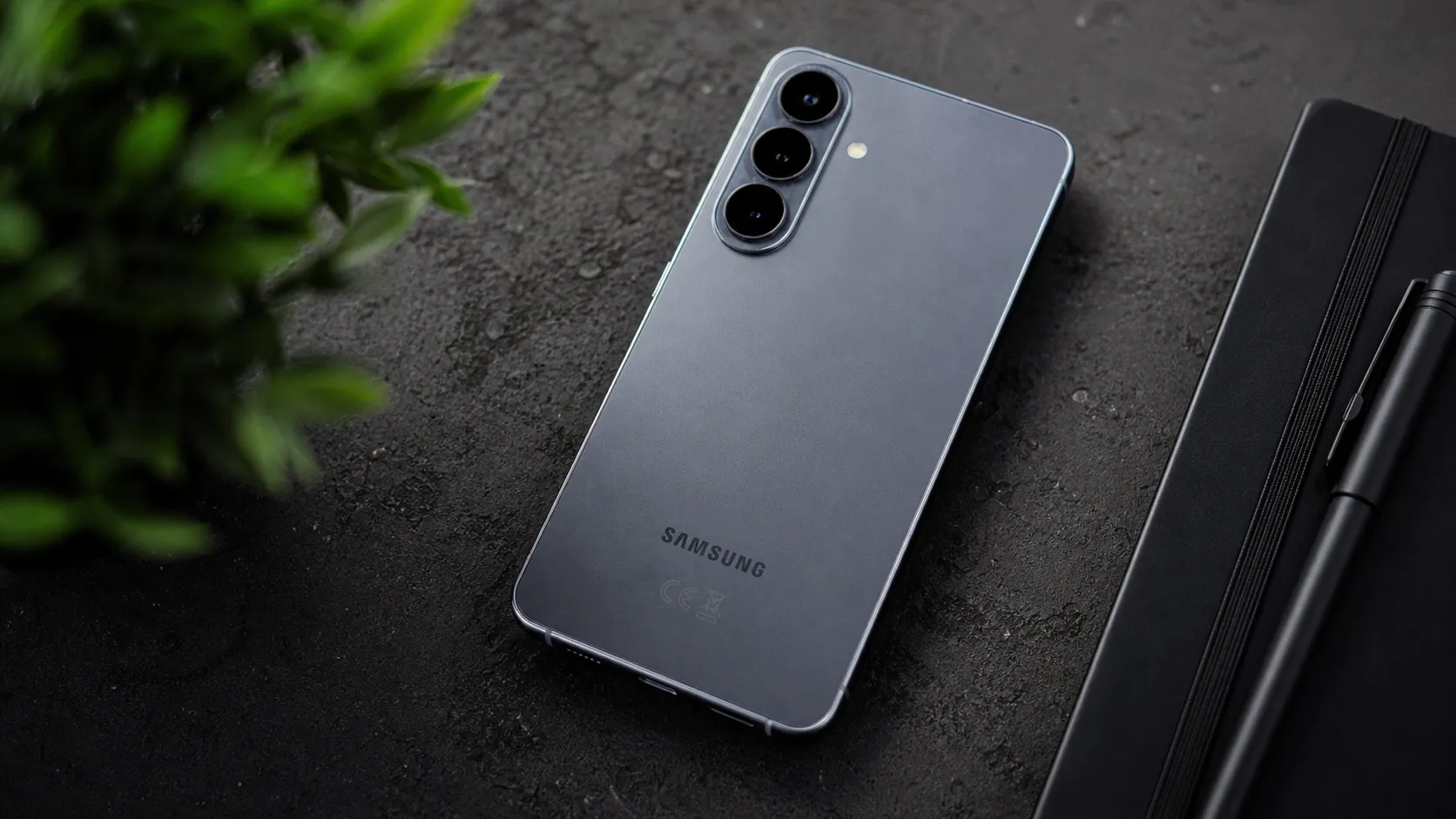
Which Phones Are Getting Hit the Hardest?
DigitBin confirmed budget phones under $200 are the most exposed because memory makes up 25 to 30% of their entire bill of materials. There is almost no margin left to absorb a 70% input cost increase.
Here is what each major brand is doing about it:
- Samsung raised Galaxy S26 base prices by $100 over the S25 lineup, framing the bump as a storage upgrade to 256GB — which is technically accurate, but memory cost increase provided the underlying pressure.
- Apple has absorbed more cost so far — but Tim Cook was careful not to rule out further pricing pressure on the iPhone 18.
- Google has not raised Pixel prices publicly. But the Pixel 11 base model is rumored to ship with 8GB of RAM, below the 12GB threshold required for full Gemini Intelligence functionality — a cost-driven compromise.
- Nothing CEO Carl Pei was the most direct. Android Headlines quoted him saying: “Brands now face a simple choice: raise prices by 30% or more in some cases, or downgrade specs.”
The “RAM Paradox” Nobody Is Talking About
This is the part that should concern every phone buyer.
Asia Tech Lens reported major manufacturers may stick with 12GB of RAM for “Pro” models instead of upgrading to 16GB, despite increasing demands of on-device AI software. Your phone needs more memory to run the new AI features companies are marketing — but that same memory is becoming too expensive for them to include.
Phone companies are selling you AI features that need more RAM. At the same time, they are shipping phones with less RAM because RAM costs too much. You are paying more for a phone that may struggle to run the features it is advertising. That is the contradiction at the heart of the 2026 smartphone market.
5 Ways to Buy Smarter Right Now
1. Buy Now, Not Later
DigitBin confirmed if you are planning to buy a mid-range phone in the next six months, buy now rather than later. Prices are rising, not falling, and the budget tier is shrinking.
2. Grab Current Deals Before They Disappear
The Galaxy S26 Ultra at $999 on Amazon and the Pixel 10a at $449 are both at their lowest-ever prices right now. These deals exist because retailers are clearing current stock before prices adjust upward later in 2026.
3. Look at Last Year’s Flagships
Asia Tech Lens noted that as new 2026 mid-range models revert to lesser RAM and lose premium features, value-minded buyers will realize that a refurbished 2024 flagship offers a more durable investment. A used Galaxy S25 Ultra or iPhone 17 Pro Max from a certified reseller may give you better specs than a brand-new mid-range phone in late 2026.
4. Do Not Buy Based on AI Feature Marketing
If a phone advertises AI features, check the RAM first. If it ships with 8GB, some of those AI tools may run slowly or not at all as AI models grow larger. Look for 12GB minimum if AI features matter to you.
5. Prioritize 7-Year Update Phones
If you are paying more for a phone, make sure it lasts. Samsung and Google both offer 7 years of OS updates on their flagship and mid-range devices. A phone that lasts 5 to 7 years spreads the higher 2026 cost over a much longer period. For the current best options see our best Android phones June 2026 roundup.
How Long Will This Last?
TechCrunch’s smartphone shipments report confirmed IDC expects RAM prices to stabilize by mid-2027. That means the current price pressure will continue through the rest of 2026 and into early 2027.
Android Headlines cited IDC’s stark warning: “2026 is shaping up to be a year in which technology becomes more expensive, driven by supply constraints rather than demand growth.”
Frequently Asked Questions
Why are phone prices going up in 2026?
A shortage of memory chips fueled by AI data centers is causing a price rise in smartphones in 2026. The factories that make RAM chips for phones are now sending most of their output to AI companies instead, driving costs up for phone makers.
Which phones are affected most by the price increase?
Budget phones under $200 are hit hardest because memory accounts for 25 to 30% of their total cost. Premium smartphones above $800 are more resilient, as manufacturers can better absorb component cost increases.
Should I buy a phone now or wait for prices to drop?
Buy now if you need a phone. Prices are expected to keep rising through the rest of 2026. IDC expects RAM prices to stabilize by mid-2027. Waiting will likely mean paying more, not less.
Will the $200 budget phone disappear in 2026?
Counterpoint noted rising component costs could make the sub-$100 smartphone “permanently uneconomical.” Budget phones under $200 are not disappearing entirely, but they will either cost more or ship with lower specs than last year’s models.