
Quick Verdict & Overview
- What: Qualcomm unveiled two distinct flagship mobile platforms: Snapdragon 8 Elite Gen 6 and Snapdragon 8 Elite Extreme Gen 6.
- Architecture: Built on TSMC’s cutting-edge 2nm process.
- Elite Extreme Gen 6: World’s first mobile processor clocked at 5.0GHz Prime speed (+13% CPU, +35% GPU).
- Standard Elite Gen 6: Focused on efficiency gains (+10% CPU, +37% power efficiency).
- Strategic Shift: Dual-tier rollout designed to combat rising memory and component pricing.
- Launch Windows: Commercial handsets from Xiaomi and HONOR arriving late 2026; Galaxy S27 series in early 2027.

At its annual Snapdragon Summit, Qualcomm officially launched the Snapdragon 8 Elite Extreme Gen 6 and Snapdragon 8 Elite Gen 6 platforms. The details shared in Qualcomm’s official press release show these chipsets will power the next wave of high-end Android flagships launching through 2027.
The introduction of the Snapdragon 8 Elite Gen 6 series represents a fundamental change in flagship hardware strategy. Rather than offering a single top-tier processor, Qualcomm has split its flagship tier into two distinct silicon options.
Whether you plan to buy a Samsung Galaxy S27 Ultra, a Xiaomi 19, or an upcoming OnePlus 15, Qualcomm’s new dual-chip approach will directly influence your next upgrade decision.
Why Qualcomm Made Two Chips Instead of One
The transition to a dual-tier chip strategy stems from rising component and RAM costs across the industry. Providing a standard flagship tier alongside an Extreme tier lets phone manufacturers control bill-of-materials costs more effectively.
This explains why phone prices are rising in 2026 as brands absorb these premium manufacturing expenses. Offering a slightly more modest flagship processor keeps standard models from experiencing massive price hikes.
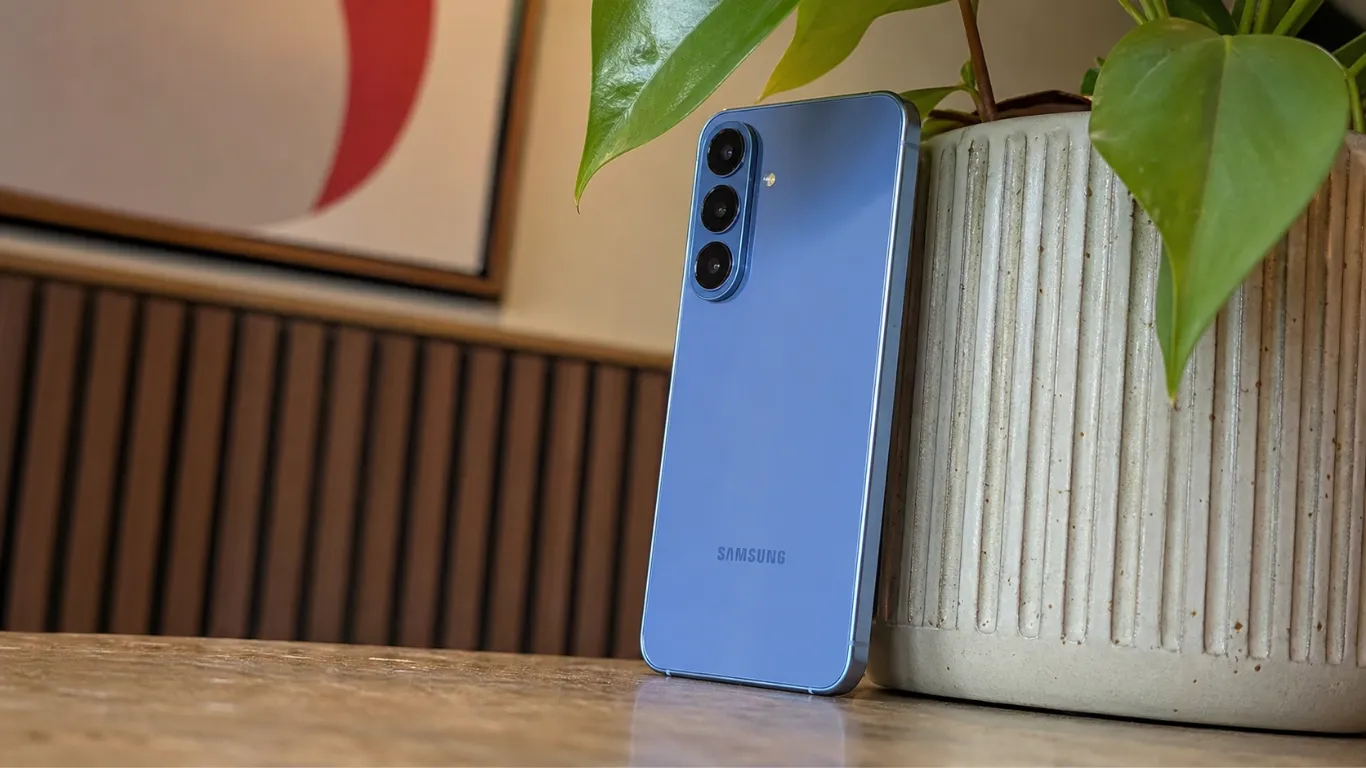
This split means phone buyers may see different processors across the same product family. For instance, a base Galaxy S27 may feature the standard Gen 6, while the Galaxy S27 Ultra adopts the Elite Extreme.
Snapdragon 8 Elite Gen 6 vs. Extreme Gen 6: Technical Specifications
The architectural details highlight that both platforms utilize custom Oryon CPU architectures fabricated on TSMC’s 2nm node. However, clock frequencies, thermal ceilings, and graphics capabilities differ significantly between the two tiers.
| Specification | Snapdragon 8 Elite Gen 6 | Snapdragon 8 Elite Extreme Gen 6 |
|---|---|---|
| Manufacturing Process | TSMC 2nm | TSMC 2nm |
| CPU Performance Uplift | +10% vs. Gen 5 | +13% vs. Gen 5 |
| CPU Power Efficiency | +37% vs. Gen 5 | High efficiency optimization |
| GPU Architecture | Rearchitected Adreno (+35%) | Rearchitected Adreno (+35%) |
| GPU Efficiency | +40% vs. Gen 5 | +40% vs. Gen 5 |
| Peak Prime Clock | High performance profile | 5.0GHz (Industry First) |
| NPU / AI Subsystem | +14% performance boost | +85% larger sensing hub |
| Camera Support | Advanced Spectra ISP | Triple 64MP concurrent array |
| Video Recording Max | 4K at 120fps / Enhanced 4K | 8K at 60fps / 4K at 240fps |
| Target Segment | Mainstream flagships | Ultra-premium flagships |
Data verified via Qualcomm technical disclosures, TechPowerUp, and EFTM.

The Real-World Impact: Efficiency and Gaming Performance
For daily smartphone use, the standard Gen 6 chip’s 37% efficiency improvement is arguably the most meaningful metric. This reduction in power draw translates to extended battery runtimes and lower thermal output under continuous workloads.
Mobile gaming also sees noticeable improvements across both tiers. The upgraded Adreno GPU delivers a 35% compute gain alongside a 40% efficiency boost, allowing sustained high frame rates without aggressive throttling.
Meanwhile, the Elite Extreme Gen 6 makes history by pushing prime core frequencies up to 5.0GHz. Reaching this milestone gives ultra-tier devices significant headroom for intensive on-device AI modeling.

Next-Gen Camera Capabilities: Triple 64MP and 240fps Video
Imaging receives significant upgrades on the Extreme Gen 6 platform. The updated ISP supports simultaneous capture across three 64MP image sensors, enabling seamless lens transitions without frame stutter.
Video creators also gain high-framerate support for 8K recording at 60fps and 4K recording at 240fps. These settings provide pristine slow-motion capture previously limited to dedicated cinema hardware.
The standard Snapdragon 8 Elite Gen 6 offers upgraded computational pipelines for 4K video, delivering cleaner low-light processing for daily photography.
Which Smartphones Will Feature the New Processors?
Early deployment timelines confirmed during the launch indicate that Chinese OEMs will lead initial commercial releases. The launch window details on Gizbot and Beebom point to the following roadmap:
- Xiaomi (Xiaomi 19 Pro / Ultra): Expected October–November 2026 with Elite Extreme Gen 6.
- HONOR (Magic9 Pro Series): Expected late 2026 with Elite Extreme Gen 6.
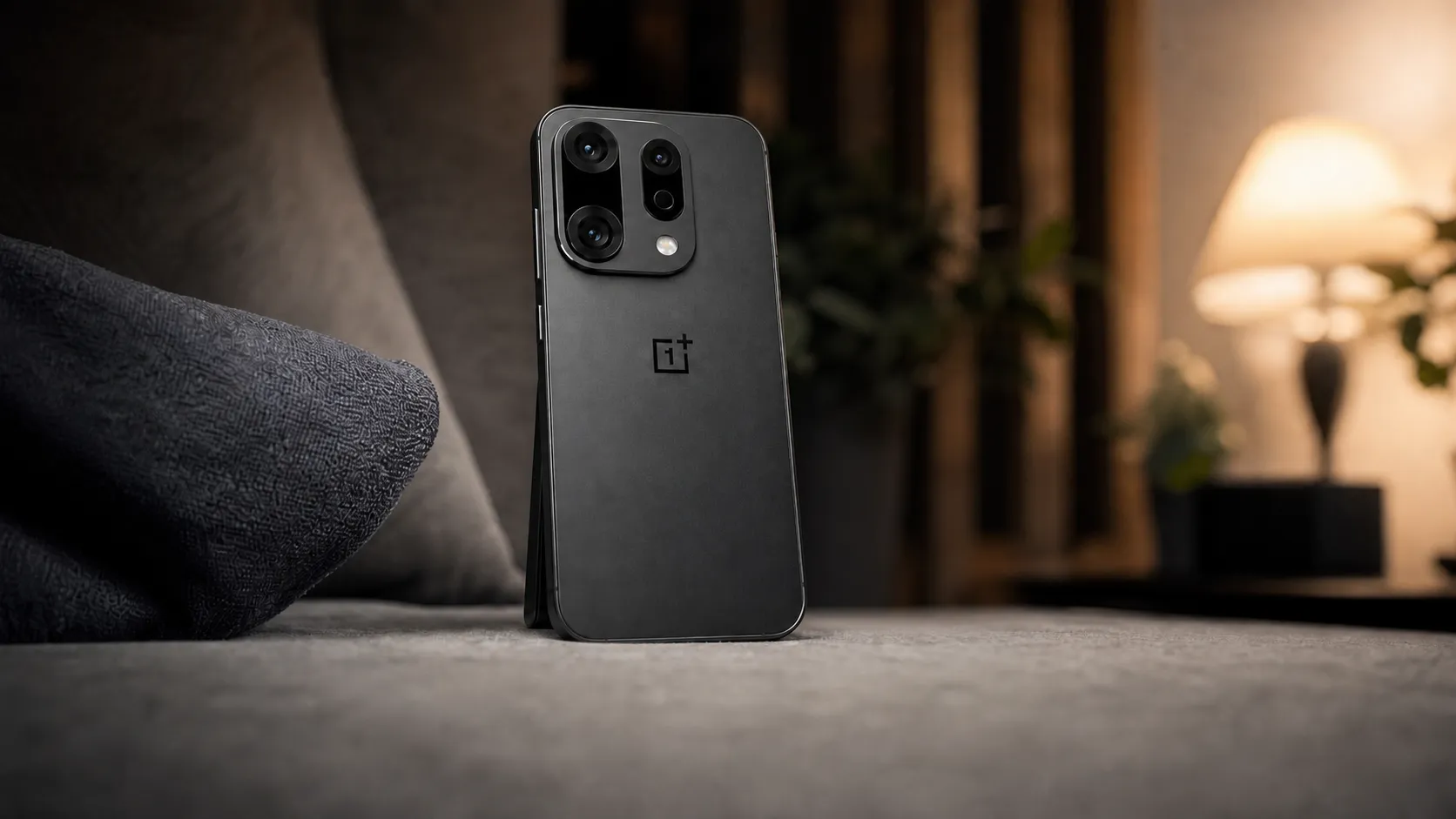
- OnePlus (OnePlus 15 Series): Expected December 2026.
- Samsung (Galaxy S27 Lineup): Expected January 2027, likely utilizing both standard and Extreme variants.
These chips will eventually dominate our updated rankings of the best Android phones as commercial hardware rolls out.

Snapdragon 8 Elite Gen 6 vs. Apple A20 Pro
Qualcomm’s latest Snapdragon 8 Elite Gen 6 series will compete directly against Apple’s A20 Pro chip powering the iPhone 18 Pro series.
Because both chipmakers are utilizing TSMC’s 2nm manufacturing process, the efficiency and compute gap between top Android flagships and Apple Pro devices is narrower than ever. Full synthetic and thermal comparisons will be published as soon as retail hardware arrives in our lab.

Buyer Advice: Should You Wait for Gen 6 Devices?
If you are using a current-generation flagship powered by the Snapdragon 8 Elite Gen 5, an immediate upgrade is unnecessary. Existing Gen 5 handsets provide exceptional performance for daily tasks and gaming.
However, if you are planning a major upgrade in early 2027, waiting for Snapdragon 8 Elite Gen 6 devices will provide substantial battery efficiency improvements and faster on-device AI tools.

Pixel Reviews Verdict
Qualcomm’s dual-tier strategy makes practical sense in a market facing rising hardware costs. Buyers targeting ultra-tier models will get unprecedented clock speeds, while standard flagship owners receive significant efficiency gains.
Frequently Asked Questions (FAQ)
What makes the Snapdragon 8 Elite Extreme Gen 6 different from the standard Gen 6?
The Elite Extreme Gen 6 features a 5.0GHz prime CPU clock, supports 8K 60fps and 4K 240fps video capture, and includes an 85% larger sensing hub for complex on-device AI tasks.
Which manufacturing process is used for the Snapdragon 8 Elite Gen 6?
Both the standard Gen 6 and the Extreme Gen 6 are manufactured using TSMC’s advanced 2nm process node, improving both power density and energy efficiency.
Will the Samsung Galaxy S27 use the Snapdragon 8 Elite Gen 6?
Samsung is widely expected to adopt the Snapdragon 8 Elite Gen 6 family for the Galaxy S27 series in early 2027, potentially using the Extreme version in the Galaxy S27 Ultra.
Should I hold off on buying a phone today for the Gen 6?
If you need a new phone today, current Gen 5 devices remain fast and capable. If your phone is working fine and you plan to upgrade in 2027, holding out for Gen 6 efficiency gains is a smart move.