
Editorial Disclosure: Pixel Reviews did not receive an early review unit for this coverage. The findings below synthesize verified technical specifications from Apple, hands-on user reports across early retail owners, and industry analysis.
Quick Verdict & Overview
- Launch Date: Retail availability started September 18, 2026, across global markets.
- Pricing: Starts at $1,199 (6.3-inch Pro) and $1,299 (6.9-inch Pro Max).
- Base Storage: Now starts at 256GB (128GB tier discontinued).
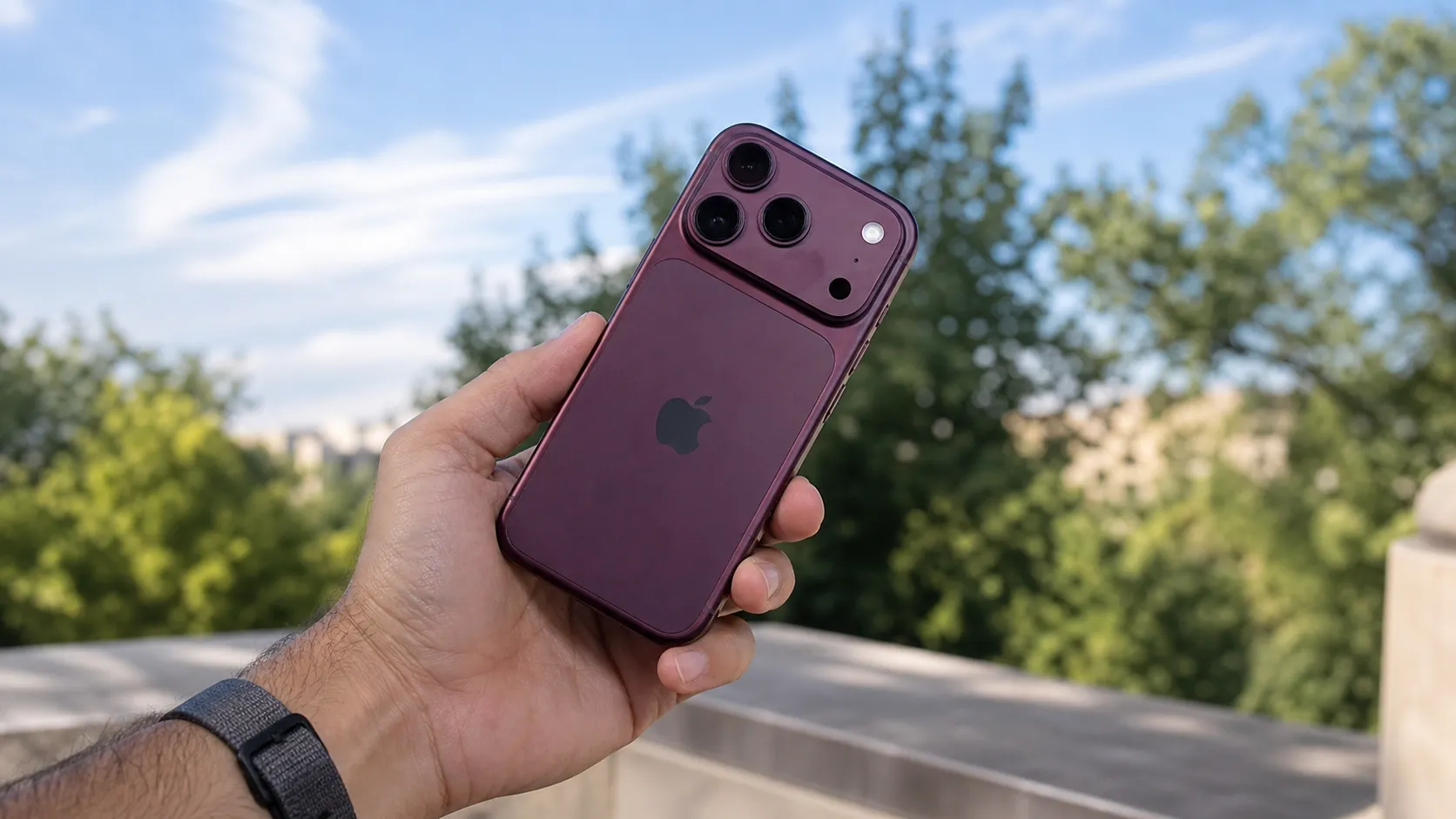
- Finish Options: Black, Silver, Glacier, and an all-new Burgundy.
- Key Innovation: Mechanical variable aperture main camera system.
- Target Audience: Ideal upgrade for iPhone 15 Pro owners or older; iPhone 17 Pro owners can comfortably skip.
Apple’s iPhone 18 Pro and iPhone 18 Pro Max officially rolled out to retail buyers following their mid-September debut. Now that early adopters have spent almost two weeks testing the device daily, real-world ownership insights are emerging.
Initial reviews covered raw benchmark numbers and spec tables. However, everyday use highlights several practical realities regarding battery endurance, thermal management, and camera mechanics that spec sheets leave out.
If you are considering whether it is time to upgrade or switch from iPhone to Android, these user experiences are highly relevant. Here are the six most important real-world takeaways from twelve days of active consumer use.
1. The Variable Aperture Camera Delivers Tangible Depth Control
The iPhone 18 Pro integrates a physical variable aperture mechanism on its primary camera lens. This mechanical system adjusts physical light intake rather than relying strictly on software blur algorithms, as shown in Apple’s official press release.
In practical everyday shooting, switching between a wide f/1.6 aperture and narrower f/4.0 to f/5.6 settings gives photographers true optical depth control. Close-up product shots and landscape compositions show crisp edge definition without the artificial artifacts sometimes created by portrait mode processing.
Retail owners report this mechanical aperture feels like an authentic camera upgrade rather than a software novelty.
2. Battery Life Shows Notable Efficiency Gains
The A20 Pro processor is built on TSMC’s 2nm fabrication node, yielding measurable power savings. Combined with Apple’s in-house C2 cellular modem, daily power consumption has dropped noticeably during active 5G usage.
Early adopters consistently report finishing full workdays with 20% to 25% battery remaining under moderate-to-heavy use. Users upgrading from the iPhone 16 Pro or iPhone 17 Pro are noticing cooler operation during high-draw tasks like navigation and 4K recording.
This level of efficiency is redefining expectations for how long phones last under intensive daily workloads.
3. The $1,199 Base Price Increase Comes with 256GB Storage
The $1,199 entry price represents a $100 price increase over previous base Pro models. However, Apple has officially eliminated the 128GB tier from its Pro lineup.
The base iPhone 18 Pro now ships with 256GB of storage as standard, with higher capacities scaling up to 2TB. For shoppers who routinely purchased 256GB models on previous generations, the effective price remains unchanged.
However, budget-focused buyers who previously relied on the 128GB entry model no longer have that lower price point available.
4. The Burgundy Finish Is the Standout Color
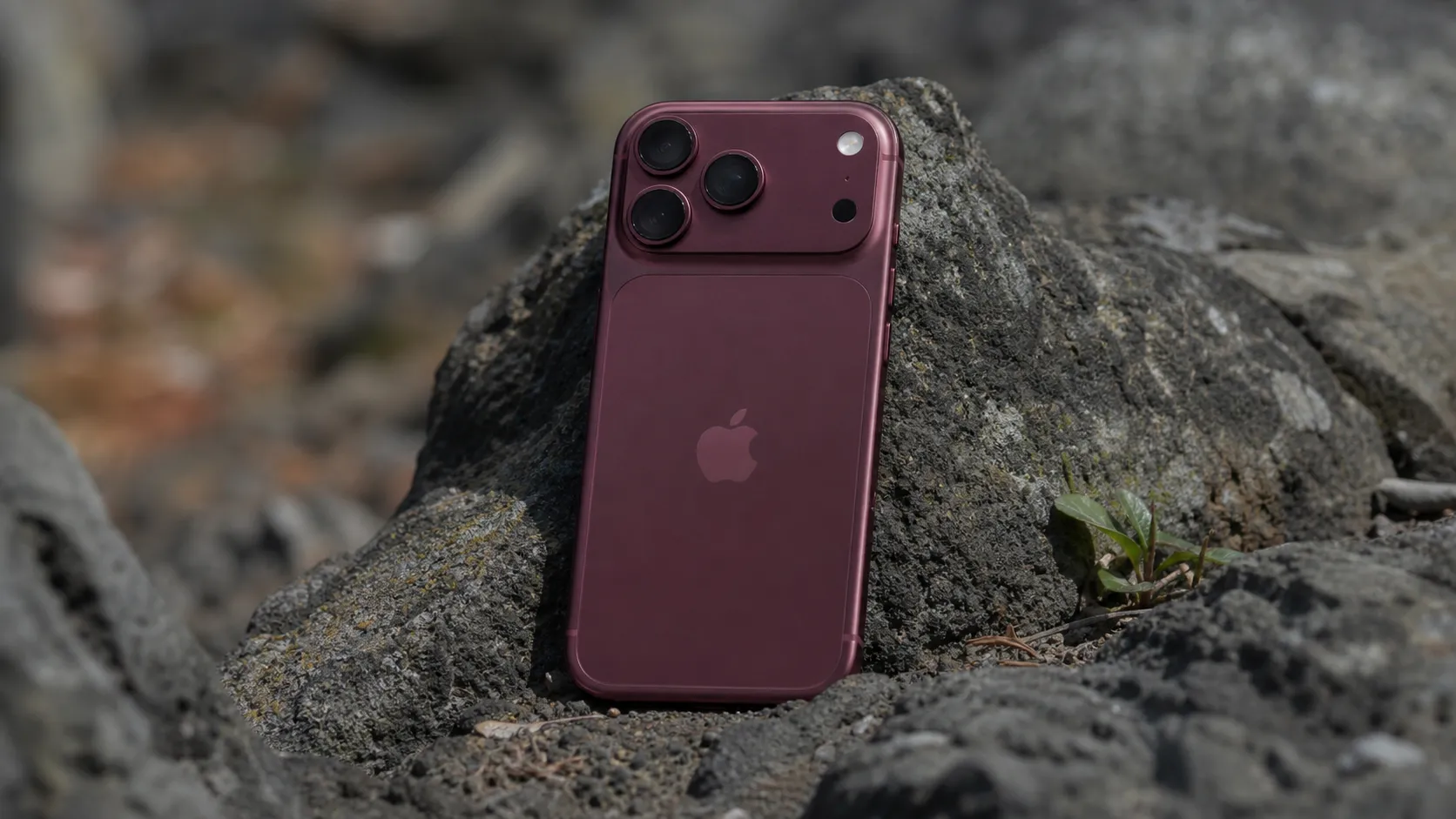
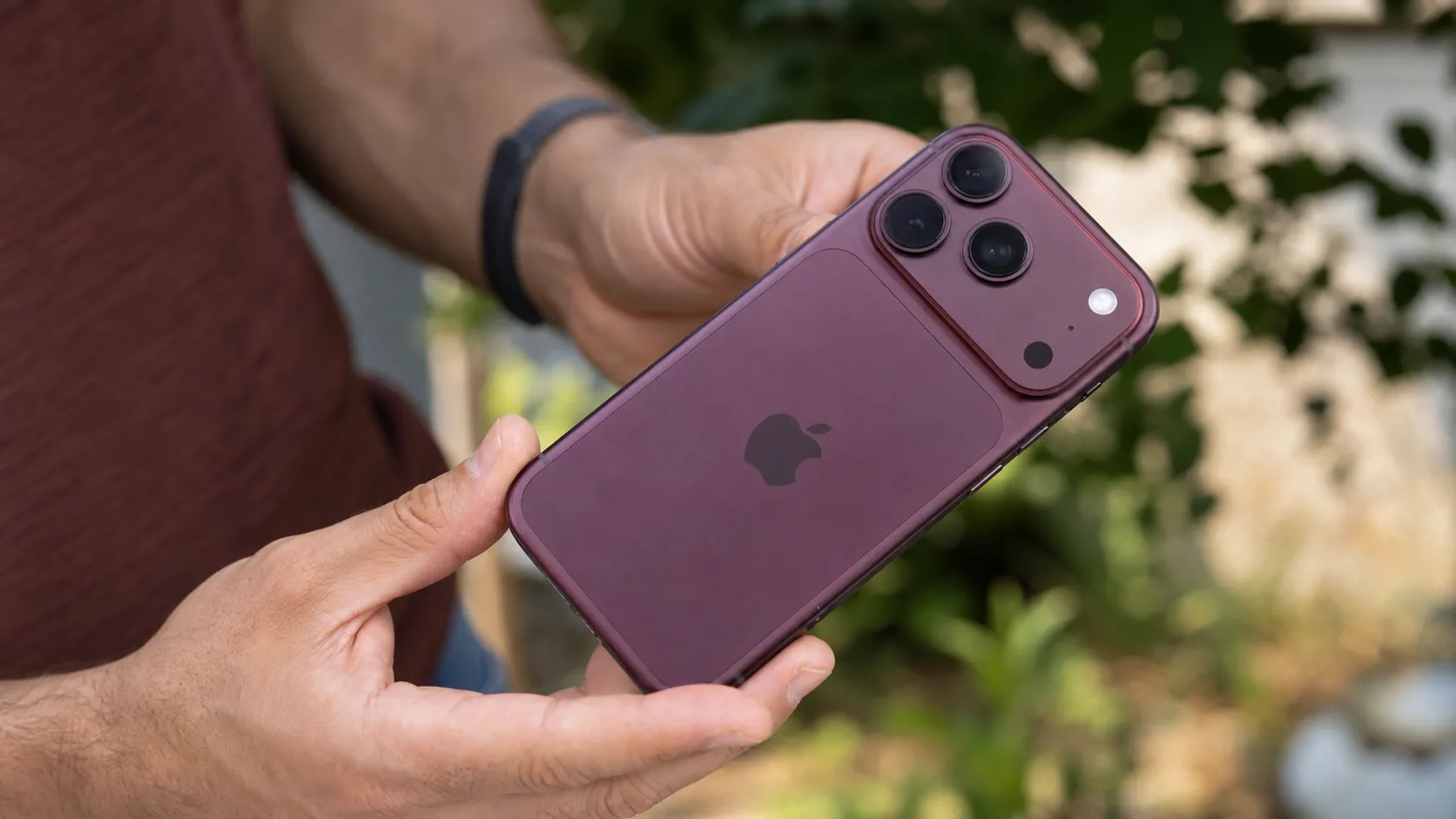
Apple launched the iPhone 18 Pro series in four titanium finishes: Black, Silver, Glacier, and an all-new Burgundy.
Consumer reception to the Burgundy titanium variant has been overwhelmingly positive. The finish reflects subtle dark-wine tones indoors while showing richer red hues under direct natural daylight.
Retail availability checks indicate Burgundy models are experiencing the longest shipping lead times across carrier and retail channels.
5. Standard iPhone 18 Models Are Delayed Until Spring 2027
Apple is splitting its standard and Pro release cycles. The flagship Pro models launched this fall, while the standard iPhone 18 and iPhone 18e are scheduled for Spring 2027.
Shoppers wanting a current-generation Apple device under $1,000 must choose between discounted iPhone 17 inventory or wait for the Spring 2027 launch window.
6. Retail Stock Has Stabilized for Core Storage Tiers
Following the release date and pre-orders announcement, shipping backlogs have started to ease. Standard 256GB and 512GB configurations are now in stable supply across retail and carrier stores.
However, the top-tier 2TB configurations remain constrained with delayed online fulfillment windows. Carrier promotions remain active across major networks, offering substantial trade-in credits for iPhone 14 Pro and iPhone 15 Pro devices.
Buying Decision Framework: Upgrade, Wait, or Skip?
- Upgrade to iPhone 18 Pro: If you currently use an iPhone 15 Pro or older model and prioritize physical camera optics, stronger battery endurance, and 2nm processing speeds.
- Buy a Discounted iPhone 17: If you want a dependable iOS experience at a sub-$900 price point without needing pro-grade camera hardware.
- Wait for Spring 2027: If you want a brand-new generation standard iPhone without paying the Pro lineup’s premium pricing.
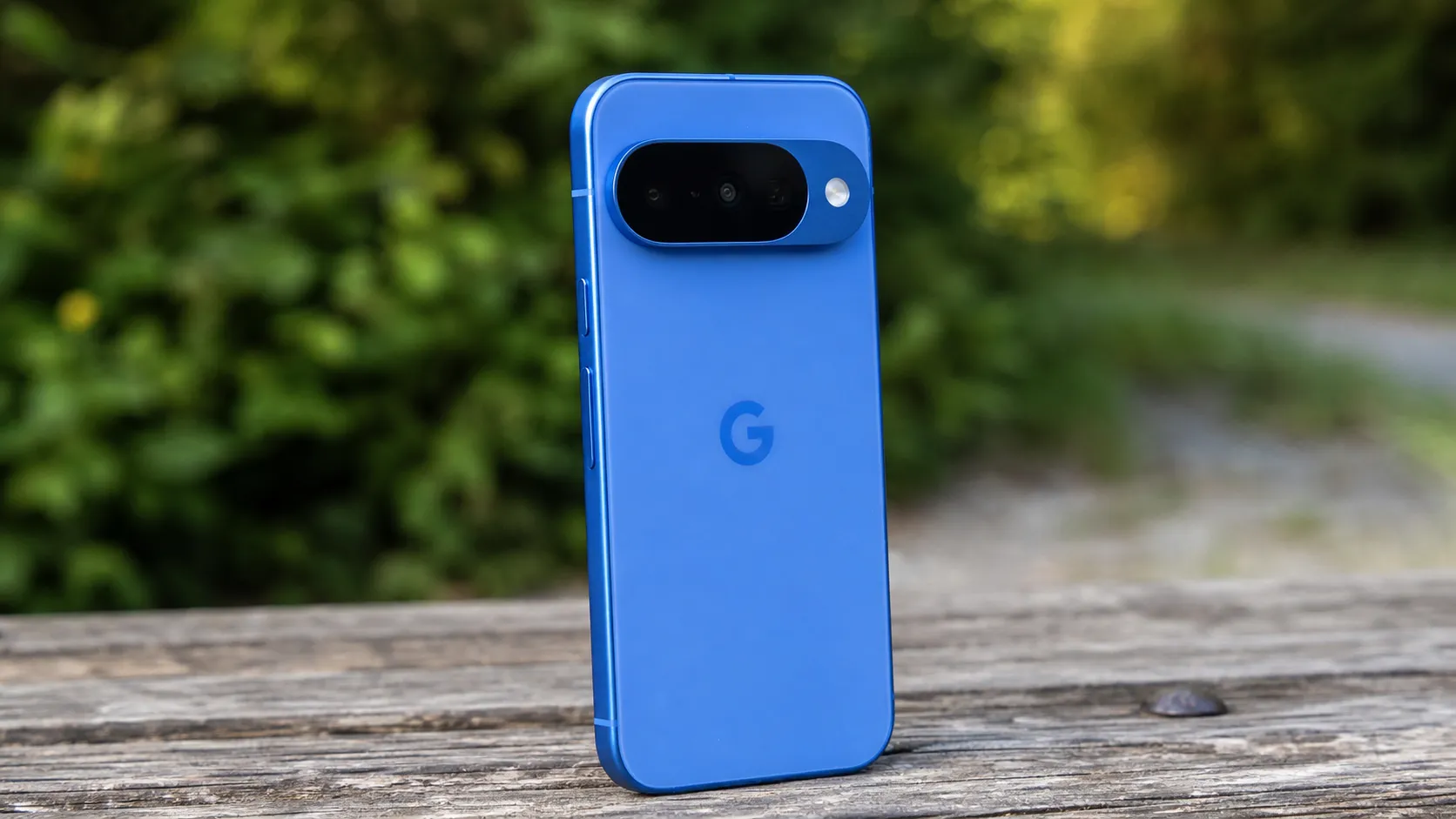
- Skip Entirely: If you already own an iPhone 17 Pro or prefer Android’s open software customization and faster wired charging speeds.
Pixel Reviews Verdict
The iPhone 18 Pro justifies its price bump by setting 256GB as standard and introducing true variable aperture optics. It is a compelling upgrade for older iPhone users, though existing 17 Pro owners can comfortably hold off.
Frequently Asked Questions (FAQ)
What is the starting price for the iPhone 18 Pro?
The 6.3-inch iPhone 18 Pro starts at $1,199 with 256GB of storage, while the 6.9-inch iPhone 18 Pro Max starts at $1,299.
Does the iPhone 18 Pro come in a 128GB configuration?
No, Apple has eliminated the 128GB option for the Pro lineup. Available storage tiers are 256GB, 512GB, 1TB, and 2TB.
What does the variable aperture on the iPhone 18 Pro camera do?
The mechanical variable aperture physically opens and closes between f/1.6 and f/5.6, giving photographers genuine optical depth of field control without relying entirely on digital portrait mode algorithms.
When will the standard base iPhone 18 be released?
Apple has split its product cycle; standard iPhone 18 and iPhone 18e handsets are expected to launch in Spring 2027.